-
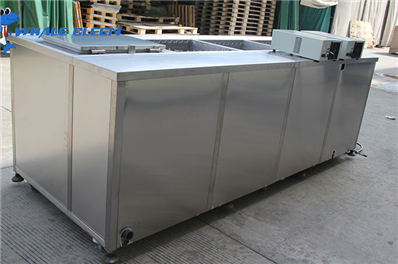 Enhancing Marine Propeller Efficiency: Ultrasonic Cleaning Technology
Cleaning marine propellers is a crucial aspect of ship maintenance. Its objective is to restore the smoothness and efficiency of the metal surface, ensuring the performance and safety of the vessel. In this process, ultrasonic cleaning machines play a piv
-
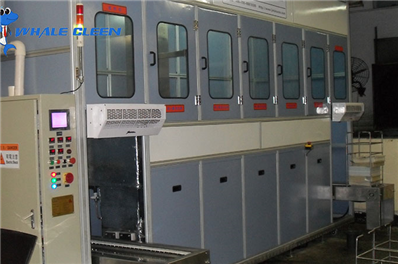 Enhancing Vessel Safety: Ultrasonic Cleaning for Metal Ship Components
Cleaning metal ship components is a critical aspect of ship maintenance, particularly for vessels that operate in marine environments for extended periods. Metal ship parts are susceptible to fouling by marine organisms, corrosion, and accumulation of dir
-
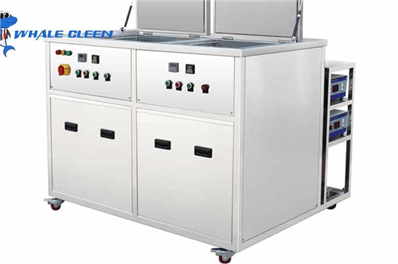 Stuck with Grinding Dust Embedded in Batch Workpiece Crevices? Manual Cleaning Is Draining Your Labor Budget and Driving Production Costs Through the Roof
Walk into any metalworking shop, stamping plant, or machining facility, and you will see the same scene repeated shift after shift: workers hunched over parts bins, scrubbing with brushes, picking at crevices with picks, blowing compressed air into blind
-
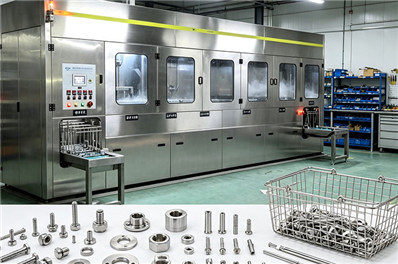 Breaking the Cleaning Bottleneck in Nickel and Gold Plating Lines with Whale cleen Ultrasonic Technology
In high-value surface finishing shops, nickel and gold plating lines demand the highest levels of surface cleanliness. A single fingerprint, a microscopic film of stamping oil, or a speck of polishing compound left on a component will manifest as blisteri
-
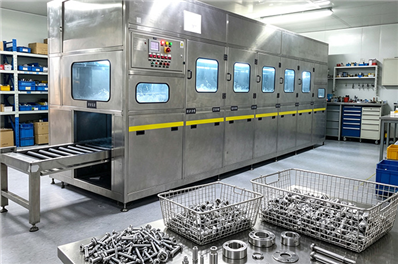 Ultrasonic vs. Electrolytic Ultrasonic Cleaning: What's the Real Difference in Metal Finishing Cleanliness?
In metal finishing and electroplating operations, cleanliness is not just a quality metric—it is the foundation upon which adhesion, corrosion resistance, and final product performance are built. A single speck of oil residue on a stamped metal part can c
-
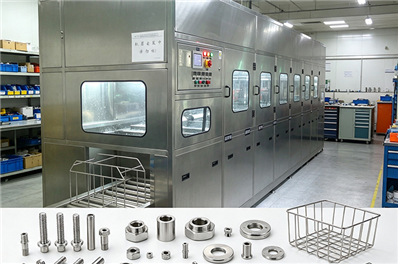 Ultrasonic Cleaning Machine: Why Disassemble Molds When You Can Clean Carbon Deposits in Minutes?
In industrial manufacturing, few maintenance tasks are as time-consuming and costly as mold cleaning. Production managers know the drill all too well: shutdown the line, wait for the mold to cool, disassemble every component, scrub stubborn carbon deposit
-
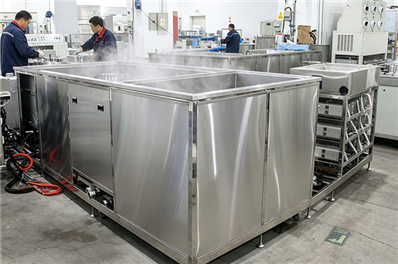 Hidden Contaminants in Hydraulic & Pneumatic Micro-Pores? Manual Scrubbing Wasting Time — Ultrasonic Cleaning Delivers Efficient Scaling Removal
In any hydraulic or pneumatic manufacturing facility, there is a recurring scenario that no production manager wants to face:A valve body passes every dimensional inspection. It looks flawless on the outside. It assembles smoothly. It ships to the custome
-
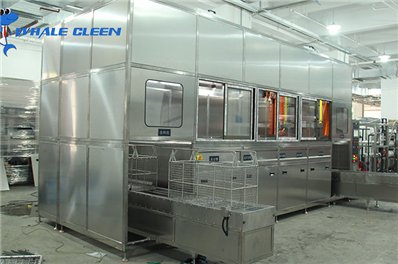 Metal Degreasing Without Strong Acid Soaking: The Hidden Cleaning Advantages of Ultrasonic Technology
In metal parts manufacturing, few processes carry as many hidden costs—and as many risks—as strong acid soaking for degreasing and rust removal. For decades, countless factories have relied on aggressive acid baths to strip oil, grease, and oxidation from
-
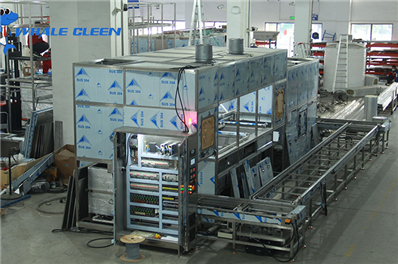 Fuel Nozzle Deep Degreasing Challenge: How Ultrasonic Cleaning Machines Remove Internal Deposits
Fuel nozzles are among the most precision-critical components in any engine—whether for diesel rail systems, gasoline direct injection, or gas turbines. Over their service life, three distinct contaminants accumulate inside the nozzle structure:Coked carb
-
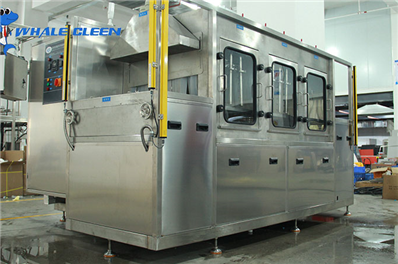 Why Is Ultrasonic Cleaning the Preferred Choice for Silicon Wafer Cleaning?
In semiconductor manufacturing, a single microscopic particle clinging to a silicon wafer surface can turn a high-value chip into scrap. As device geometries continue to shrink toward single-digit nanometer nodes, the tolerance for contamination has becom
-
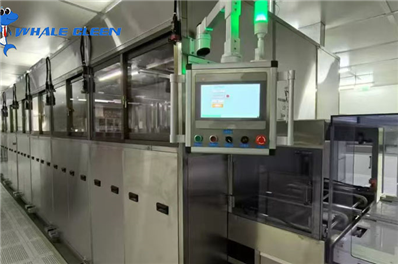 New Standard for Engine Parts Cleaning: Why Top Factories Are Quietly Switching to Whale Cleen Ultrasonic
In the world of engine manufacturing and rebuilding, one truth remains constant: cleanliness is power. A cylinder head with clogged oil galleries, a crankshaft with residual grinding dust, or a piston ring groove packed with carbon – any of these can turn
-
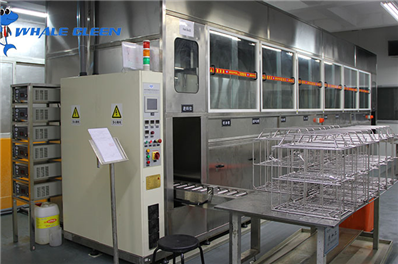 High-Cost-Performance Industrial Ultrasonic Cleaning Machine Brands: Avoid Common Selection Mistakes
In the world of industrial manufacturing, ultrasonic cleaning has become an essential process for ensuring product quality. From automotive parts and precision molds to metal components and electronic assemblies, the demand for reliable, efficient, and co